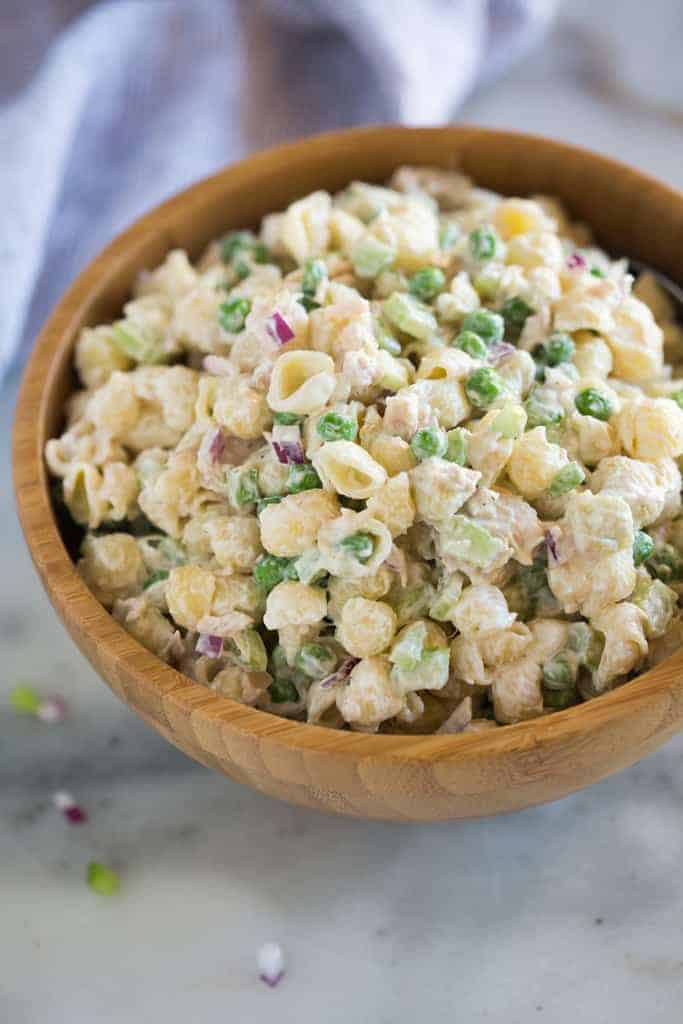
The Ultimate Guide to Best Tuna Pasta Salad: A Versatile Culinary Gem
Few dishes evoke the comfort of a classic deli lunch or the joyous simplicity of a summer picnic quite like a well-crafted tuna pasta salad. It’s a dish that effortlessly bridges the gap between a hearty main course and a satisfying side, making it a perennial favorite for good reason. Whether you're looking for an easy weeknight dinner, a robust addition to your potluck spread, or a delicious meal-prep staple that keeps well for days, tuna pasta salad delivers on all fronts.
This humble yet dynamic dish combines the savory goodness of tuna with perfectly cooked pasta, vibrant fresh vegetables, and a creamy, flavorful dressing. It's a canvas for culinary creativity, allowing you to tailor it to your preferences, from light and tangy to rich and indulgent. Let’s dive into the essential elements that make a truly exceptional tuna pasta salad, exploring the best choices for tuna, crafting the perfect dressing, and selecting fresh add-ins that elevate every bite.
Choosing the Best Tuna for Your Tuna Pasta Salad
The star of our show, tuna, is more than just a protein source; it’s a crucial flavor and texture component. The type of canned tuna you choose can significantly impact the final dish. Making an informed decision here is key to a superior tuna pasta salad.
Albacore vs. Light Tuna: Chunk vs. Flake
- Albacore Tuna: Often hailed as the premium choice for pasta salads, albacore tuna typically comes in thicker, firmer chunks. This characteristic is invaluable because it helps the tuna maintain its structural integrity when stirred into the pasta and dressing. Its milder flavor also allows other ingredients to shine through beautifully. When you want substantial, satisfying bites of tuna, albacore in water is usually your best bet.
- Light Tuna: This category typically includes skipjack or yellowfin tuna. While delicious and more budget-friendly, light tuna tends to be flakier. If using light tuna, be mindful not to overmix, as it can break down more easily. However, some prefer the way it disperses more evenly throughout the salad.
Water-Packed vs. Oil-Packed Tuna: What to Drain and Why
This is a critical distinction for tuna pasta salad success:
- Tuna in Water: For most pasta salad recipes, tuna packed in water is preferred. It has a cleaner, less oily flavor profile and is easier to drain thoroughly. Draining is paramount – excess water will thin out your dressing and make the salad watery. Pat it gently with a paper towel for best results.
- Tuna in Oil: While excellent for certain applications (like a hearty sandwich or a rustic Italian salad), oil-packed tuna can introduce too much richness and an unwanted oily mouthfeel to a creamy pasta salad. If you do opt for oil-packed tuna, ensure it is drained exceptionally well to prevent the dressing from becoming greasy or overly loose.
Pro Tip for Sustainability: When selecting your tuna, consider looking for brands that are certified sustainable by organizations like the Marine Stewardship Council (MSC). This helps ensure you're making an environmentally conscious choice while enjoying your delicious meal.
Crafting the Perfect Creamy Dressing: Beyond the Basics
The dressing is the binding agent and flavor powerhouse of any good pasta salad, and tuna pasta salad is no exception. It coats every noodle and ingredient, bringing all the flavors together in a harmonious blend. While simple, a great dressing elevates the entire dish.
Classic Mayonnaise-Based Dressings and Savory Additions
The foundation of many beloved tuna pasta salads is a rich and creamy mayonnaise base. Traditional mayonnaise provides that quintessential smooth texture and savory background. To build upon this classic, consider:
- Sour Cream or Greek Yogurt: Adding a dollop of sour cream or plain Greek yogurt (as suggested by some culinary experts) introduces a delightful tang and helps lighten the richness of the mayo. This blend creates a wonderfully balanced and silky dressing.
- Lemon Juice: Freshly squeezed lemon juice is non-negotiable. It brightens the entire salad, cutting through the richness of the tuna and mayo, adding a zesty punch that makes the flavors sing.
- Mustard: A teaspoon or two of Dijon mustard can add a subtle depth and sharp, piquant flavor that complements the tuna beautifully without overpowering it.
- Garlic: Whether you opt for a pinch of garlic powder or a finely minced fresh clove, garlic introduces an aromatic warmth that enhances the savory profile.
- Sweetness (Optional): A touch of honey, as seen in some recipes, can balance the tang and savory notes, adding a subtle complexity that rounds out the flavor profile. Adjust to taste!
- Seasoning: Don't forget ample salt and freshly ground black pepper. These are fundamental for bringing all the other flavors into focus.
Lighter Alternatives for a Healthier Twist
For those looking to lighten their tuna pasta salad, several healthy swaps can be made without sacrificing flavor:
- Olive Oil Mayonnaise: A simple swap from regular to olive oil mayonnaise can reduce saturated fat while maintaining creaminess.
- Greek Yogurt Power: Substituting half or even all of the mayonnaise with Greek yogurt will dramatically cut down on calories and fat while boosting protein. Its natural tang works incredibly well with lemon and mustard.
- Vinaigrette Base (for a different style): While less common for the classic creamy tuna pasta salad, a light olive oil and vinegar-based vinaigrette can offer a refreshing, brighter alternative for a distinctly different, less heavy dish.
Remember, the dressing often tastes best after it's had a little time to meld with the other ingredients, so don't be afraid to prepare your salad ahead of time.
Fresh Add-ins & Crunchy Delights: Elevating Your Tuna Pasta Salad
What truly transforms a simple pasta dish into a vibrant tuna pasta salad are the fresh, crunchy, and colorful add-ins. These ingredients provide essential texture, burst of flavor, and visual appeal, making every spoonful an experience.
Classic Crunchy Vegetables: The Essential Foundation
- Celery: A staple for good reason, finely chopped celery provides that signature crisp crunch and a subtle earthy flavor. It's non-negotiable for texture.
- Red Onion: Diced red onion adds a sharp, pungent bite and a beautiful pop of purple color. If you find raw onion too strong, a quick soak in ice water for 10 minutes can mellow its intensity.
- Frozen Peas: These little green gems bring a touch of sweetness, a soft pop, and another layer of color. Add them frozen; they'll thaw perfectly as they chill in the salad.
- Bell Pepper: Diced bell pepper (any color, but green or red offers a great contrast) contributes a fresh, slightly sweet crunch.
Flavor Boosters & Unexpected Twists
Once you have your foundational veggies, consider these additions to take your tuna pasta salad to the next level:
- Fresh Herbs: Chopped fresh parsley is a classic addition, lending a clean, green note. Dill or chives also work wonderfully, adding distinct aromatic flavors that complement tuna.
- Olives: Halved or sliced green olives (or even Kalamata for a brinier kick) introduce a briny, salty depth that many find irresistible.
- Hard-Boiled Eggs: Sliced or quartered hard-boiled eggs add a creamy richness and another layer of protein, making the salad even more substantial.
- Pickles or Relish: For an extra layer of tangy, briny flavor and crunch, finely diced dill pickles or sweet relish can be a fantastic addition, reminiscent of a classic deli tuna salad.
- Cherry Tomatoes: Halved cherry tomatoes add juicy bursts of freshness and a vibrant red hue.
- Corn: Fresh or frozen (thawed) corn kernels offer a sweet pop and sunny color.
The Ultimate Crunch Factor: Garnishes That Impress
Don't underestimate the power of a last-minute garnish to add texture and flair. Some recipes even suggest a nod to tuna casserole by crushing potato chips over the top for an unexpected, delightful crunch. Alternatively, consider:
- Croutons: Store-bought or homemade toasted bread croutons.
- Toasted Nuts or Seeds: Almonds, sunflower seeds, or even pepitas can add a sophisticated crunch.
Mastering the Pasta: Type, Prep, and Cooling for Tuna Pasta Salad
The "pasta" in tuna pasta salad is more than just a filler; it's the delicious vehicle that carries all the other wonderful flavors. Getting your pasta right is crucial for the overall success and texture of your salad.
Best Pasta Shapes for Tuna Pasta Salad
The ideal pasta for this dish is typically a small to medium-sized shape that can capture and hold the creamy dressing and other ingredients. Some popular and effective choices include:
- Cavatappi (Corkscrew Macaroni): As noted in some recipes, cavatappi's spiral shape is perfect for cradling dressing and small pieces of tuna and vegetables.
- Elbow Macaroni: A classic for a reason, its small, curved shape integrates well into the salad.
- Shells (Conchiglie): Small shells are excellent at scooping up the creamy dressing.
- Rotini or Fusilli: The twists and turns of these shapes provide plenty of nooks and crannies for flavor.
- Farfalle (Bow Ties): These offer a more elegant presentation and a pleasant texture.
No matter the shape, the goal is to have pasta that doesn't overwhelm the other components but provides a satisfying chew.
Cooking and Cooling Essentials
Proper pasta preparation is key to preventing a gummy or bland salad:
- Cook Al Dente: Always cook your pasta according to package directions until it is al dente – tender yet firm to the bite. Overcooked pasta will become mushy in the salad, especially after chilling.
- Salt the Water Generously: This is your primary opportunity to season the pasta itself. The water should taste like the sea.
- The Critical Cooling Step: Once your pasta is cooked, drain it thoroughly. Then, and this is a non-negotiable step for tuna pasta salad, run the cooked pasta under cold water until it is completely cool. This serves a few vital purposes:
- Stops Cooking: It immediately halts the cooking process, preventing the pasta from becoming overcooked and mushy.
- Prevents Sticking: Rinsing removes excess starch, preventing the pasta from clumping together as it cools.
- Chills for Cold Salad: It cools the pasta down to the ideal temperature for mixing with the cold dressing and other ingredients, preventing the dressing from breaking or becoming oily.
- Drain Well (Again!): After rinsing, make sure the pasta is very well drained before adding it to your other ingredients. Excess water will dilute your dressing.
Healthier Swap: For a more nutritious option, consider using whole grain pasta. It offers more fiber and nutrients without compromising the texture, especially if cooked al dente. For more ideas on nutritious versions, check out our guide on Healthy Tuna Pasta Salad: Meal Prep with Smart Swaps & Protein.
Tuna Pasta Salad for Every Occasion: Meal Prep & Healthy Swaps
The versatility of tuna pasta salad is one of its most appealing qualities. It seamlessly transitions from a quick weeknight meal to a show-stopping picnic side, making it a true culinary workhorse.
A Meal Prep Champion
One of the standout features of tuna pasta salad is how well it holds up in the refrigerator. In fact, many find its flavors deepen and meld beautifully after a day or two, making it an ideal candidate for meal prepping at the start of the week. Prepare a big batch, portion it into individual containers, and enjoy healthy, satisfying lunches or dinners for several days. It’s perfect for busy schedules, offering a ready-to-eat option that doesn't compromise on taste or nutrition.
For more meal prep tips and effortless recipes, explore Easy Tuna Pasta Salad: Your Go-To for Lunch, Dinner, & Picnics.
Smart Swaps for a Healthier Twist
While often considered a comfort food, tuna pasta salad can be easily adapted to fit a healthier lifestyle without sacrificing flavor:
- Whole Grain Pasta: As mentioned, switching to whole grain pasta increases fiber content and provides sustained energy.
- Lighten the Dressing: Opt for olive oil mayonnaise or substitute a significant portion (or all) of the mayonnaise with Greek yogurt. This boosts protein while reducing fat and calories.
- Load Up on Veggies: Increase the proportion of crunchy fresh vegetables like bell peppers, cucumbers, cherry tomatoes, and leafy greens. More veggies mean more nutrients and fewer calories per serving.
- Lean Protein Boost: Tuna itself is packed with protein and beneficial omega-3 fatty acids, good for heart health. Pairing it with hard-boiled eggs further amplifies the protein content.
Serving Suggestions
Serve your tuna pasta salad chilled, perhaps garnished with a sprinkle of fresh parsley, a wedge of lemon, or even those fun crushed potato chips for an extra textural surprise. It's fantastic on its own as a light lunch or dinner, or it can be paired with grilled chicken, a simple green salad, or crusty bread for a more complete meal.
Conclusion: Your Go-To Tuna Pasta Salad Awaits
From choosing the right canned tuna to perfecting your creamy dressing and selecting the freshest add-ins, crafting the best tuna pasta salad is an art that's surprisingly easy to master. This versatile dish truly embodies convenience and flavor, making it an indispensable part of your culinary repertoire. Whether you're planning a picnic, preparing for a busy week, or simply craving a satisfying meal, a homemade tuna pasta salad offers endless possibilities for customization and enjoyment. So go ahead, experiment with ingredients, adjust flavors to your liking, and discover your own perfect version of this timeless classic!
